
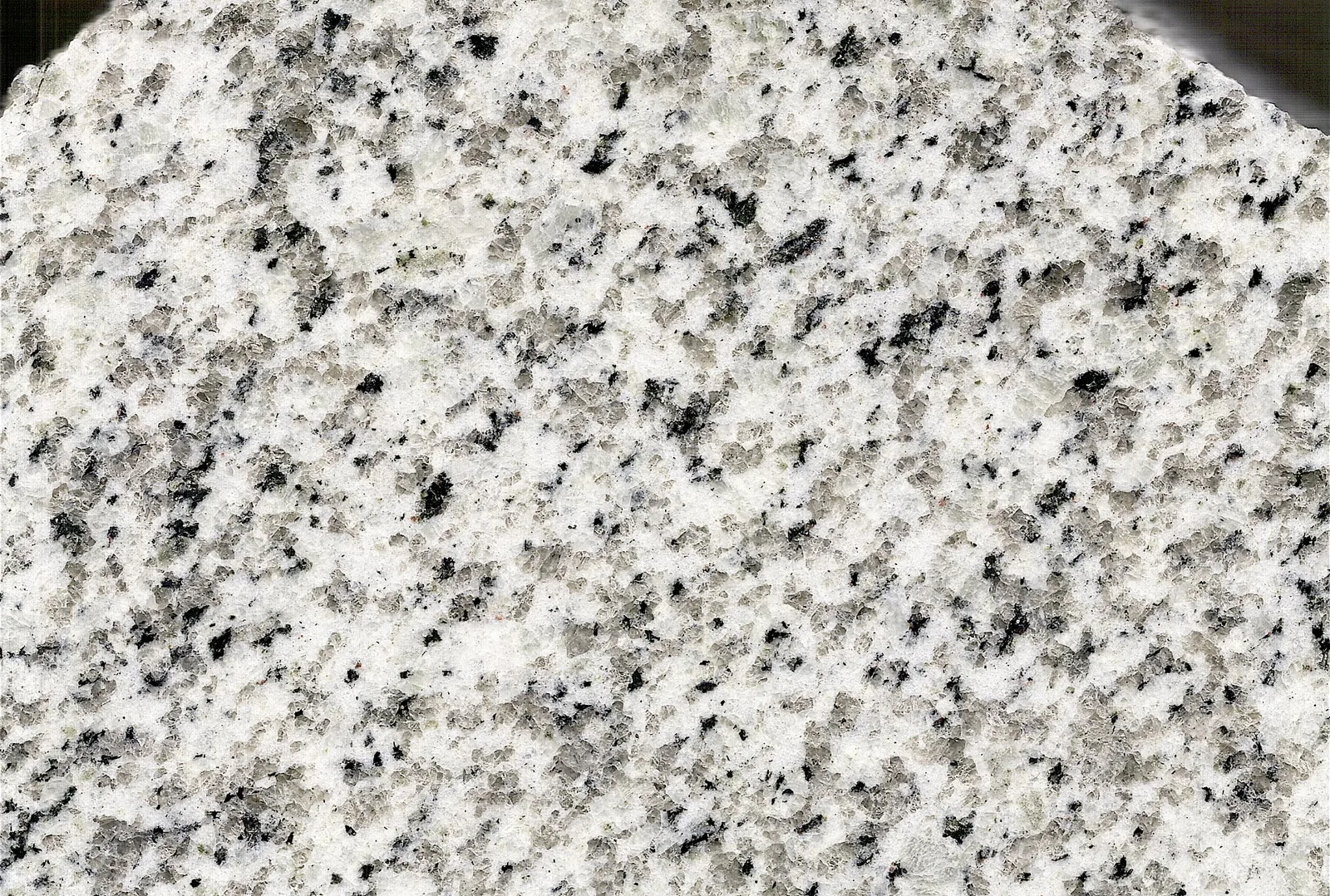
Sealing granite · Perth
Granite, sealed at the surface.
MineralProtect is the one and only next-generation sol-gel surface coating in Australia, and granite is exactly the stone it is built for. Granite is siliceous, so the coating bonds into it at the surface, stays completely colourless, and holds up to the oil, cleaning and sun that wear ordinary sealers off. This is our sweet spot.
What actually goes wrong
Granite doesn't etch. It stains.
People assume granite is bulletproof because it shrugs off the acids that eat marble. That part is true. But acid resistance is not stain resistance, and it is oil, not lemon juice, that marks granite. Around a cooktop, honed and leathered benchtops slowly darken where cooking oil soaks in. Outdoors, granite cobbles and paving take on car oil, leaf tannin and the grey of organic build up. And the sealer most people are handed makes it worse.
The benchtop
Oil around the cooktop
Polished granite is dense, but honed and leathered finishes have open surface texture that drinks oil. Cooking splatter, a dropped olive-oil bottle, greasy hands on the edge: it soaks in and sets as a dark patch you can't scrub back out.
Outdoors
Grey, oil and tannin
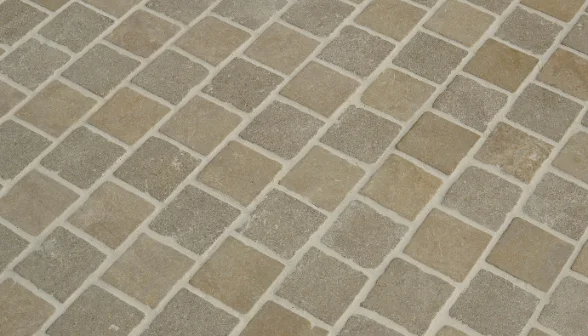
Granite cobblestone driveways and paving take engine oil, leaf tannin and general grime straight into the surface. Left bare, it dulls and greys, and a car-oil drip becomes a shadow that stays.
The usual seal
Darkened or peeling
The enhancer sealers most people are offered are formulated to darken the stone, the opposite of what you paid a premium for. And an acrylic film on outdoor granite blushes, yellows and eventually peels, then has to be stripped before it can be redone.
How it protects granite
It bonds into the stone, not onto it.
For decades there were only two ways to seal stone: lay a film on top, or soak a repellent down into the pores. Both wear out. MineralProtect is a third way, and on granite it is at its strongest, because granite's own chemistry lets the coating bond straight into the surface.
Granite gives it something to grip
Granite is built from quartz and feldspar, and those minerals carry reactive silicon groups at the surface. Our sol-gel condenses onto them, forming a genuine bond into the stone as it cures. This isn't a film stuck on top that can peel, and it isn't a repellent hiding down a pore. It bonds in at the face, where the stone is actually used.
Protection where the use is
Everything that marks granite happens at the surface: the oil that lands on it, the cleaner you scrub it with, the sun on an outdoor slab. A sealer buried in the pore protects a place the oil and the scrubbing never reach. Ours sits exactly where the wear does, as a dense mineral network only tens of nanometres thick.
Colourless, and it still breathes
The layer is thin and conformal, so it changes only the surface energy, not the colour, finish or feel of your granite. And because it doesn't cap the pores, the stone keeps releasing moisture instead of trapping it, which is how films flake stone from behind. Same granite to look at. It just no longer lets water and oil grip.
The edge a pore sealer can't have
Built for how granite is actually used.
A granite surface in service is not a lab sample. It gets scrubbed, degreased, pressure washed, baked in the sun and splashed with oil, and every one of those loads lands at the surface. That is precisely where our coating lives, and precisely where a pore-filling sealer has already given up.
Cleaning & abrasion
Survives the scrubbing
A kitchen benchtop gets wiped and scrubbed every day; outdoor granite gets the pressure washer. That is the wear that strips ordinary sealers off. Our surface network is dense and hard-wearing, so it keeps working through the cleaning, fades slowly and predictably, and renews with a top up rather than a strip.
Chemical
Designed for cleaning, not just water
The bonded inorganic surface stays stable through the routine alkaline cleaners and degreasers a kitchen and a driveway actually see, the same exposure that breaks a pore sealer down from inside the stone. It is more resistant, not immune: it is built for everyday cleaning, not for neat chemicals left to sit.
UV
Doesn't yellow under Perth sun
Sun is what breaks most outdoor sealers down. Our coating is inorganic, so it has no organic chain for UV to attack, and it will not yellow or chalk the way an acrylic or urethane film does on a sun-baked granite driveway or cladding. Far more UV resistant, though not UV proof, and not permanent.
Oil
The mark that granite actually gets
This is the big one for granite. Oil and grease sit on the surface and lift in cleaning instead of soaking in, so cooking splatter on a benchtop or a car-oil drip on a cobblestone wipes up instead of setting into a dark patch. The sealers that repelled oil best on stone were fluoropolymer, now being regulated out. We deliver it PFAS-free by design, not by reformulation.
The seal, working
Drag it, and watch.
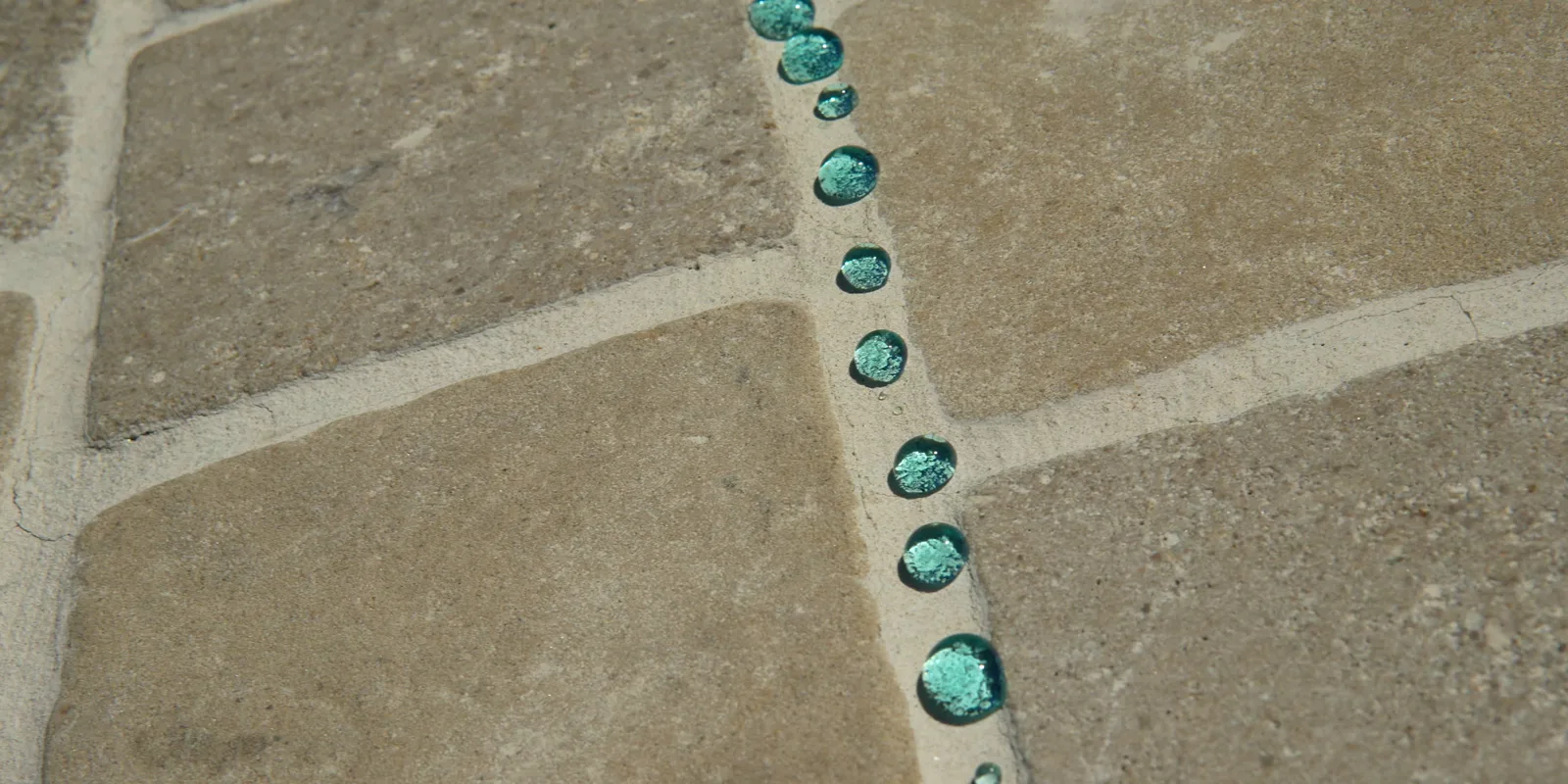
Same granite, dry and wet. Water beads and rolls off the sealed surface instead of soaking in. The colour doesn't change, only how the surface behaves. That is the coating doing its job, at the surface, where you can see it.
- Colourless, non-pigmenting. Same colour, same finish, same feel. Only the surface energy changes.
- One price, all in. Cleaned, sealed and registered at $16/m², minimum job $960. Confirmed before you book.
- On the record. Every seal is registered under a 10-year guarantee, backed by certified application.
Where the line sits
What it won't do.
Granite is one of our best fits, which is exactly why we can be blunt about the limits. Naming them is how you know the rest is real.
- No sealer is stain proof. Ours slows how fast oil and liquids soak in and buys you time to wipe. Leave a spill long enough and it can still mark. Anyone who says stain proof is overselling you.
- Granite resists acid, but it isn't acid proof. The quartz and feldspar shrug off most household acids, but strong acids left to dwell, or any calcite veining running through the slab, can still dull. A sealer only slows absorption; it can't stop acid attacking the stone itself.
- The beading fades before the protection does. When water stops beading it usually means the surface is due for a re-test, not that the coating is gone. It is a prompt to look at it, not proof it failed.
- It is long lasting, not permanent. The coating degrades slowly and predictably and renews with a top up. It makes cleaning faster and far less frequent. It does not remove the need to clean.
The real questions
Granite, answered.
Does granite even need sealing?
Granite is acid resistant, but it is not stain resistant, and those are different things. Honed and leathered finishes in particular have open surface texture that drinks oil, and outdoor granite takes on organic staining and car oil. Sealing does not change how the granite looks. It changes how it behaves: oil and water sit on top and lift in cleaning instead of soaking in.
Will sealing change the colour or finish of my granite?
No. MineralProtect is colourless and non-pigmenting. Same colour, same finish, same feel. The only change is that water and oil no longer grip. The enhancer sealers many people are offered are formulated to darken the stone for a wet look. Ours is a different category and does not alter the appearance at all.
Does it stop oil marks around my cooktop?
No sealer is stain proof, and we will not tell you otherwise. What ours does is lower the surface energy of the granite so cooking oil sits on the surface instead of soaking into the stone. Wipe a splash reasonably soon and it lifts in normal cleaning rather than setting into a dark patch. On bare honed or leathered granite that same splash keys straight into the surface.
Can you seal outdoor granite paving and cobblestone?
Yes, and it is a strong fit. Because the coating is inorganic it does not yellow or chalk under Perth sun the way an organic film does, and because it stays breathable it does not trap moisture beneath the surface the way a film can. Oil, leaf tannin and organic grime sit on top and lift in cleaning, so the stone holds its look and washes down more easily.
How long does the seal last?
Two things, kept separate on purpose. The coating performs for years, fading slowly and predictably rather than off a cliff, and it renews with a top up rather than a strip. The guarantee is a 10-year registered guarantee on the repellency function, and it sits on top of your rights under Australian Consumer Law. It is a long lasting treatment, not a permanent one.
Is it safe for a kitchen benchtop?
MineralProtect is water based and low VOC, applied by certified applicators, and cures to an inert, colourless mineral layer with no colour, taste or odour. We provide the full safety data sheet on request and confirm suitability for your specific benchtop at the quote.
Keep reading
Related stone, and the deep science.
Go deeper
The granite science, in full
The chemistry of the bond, the four resistances with their honest bounds, how it beats an impregnator, a film and PFAS, and the test standards behind it. Read the technical version
Other natural stone
Same family, different stone
If it isn't granite, or you have more than one surface, start here:
Get a quote
Seal your granite once.
We'll prepare and seal your granite with MineralProtect, colourless and bonded into the surface, registered under a 10-year guarantee. Confirmed price before you book.