
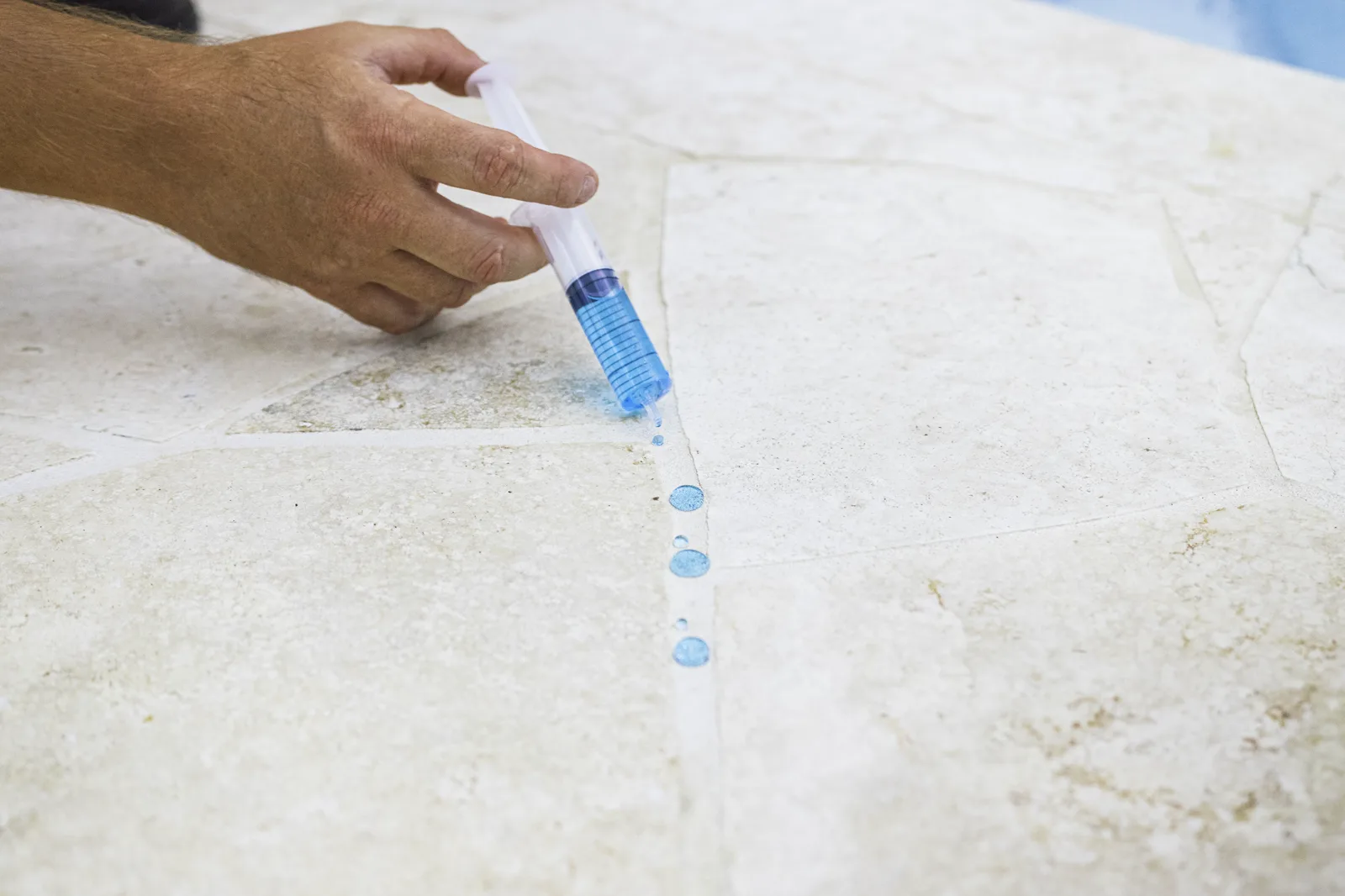
Sealing travertine · Perth
The right seal for travertine.
Travertine is porous carbonate stone, and that porosity is exactly why it takes a seal so well. We seal it with MineralProtect, the one and only next-generation sol-gel surface coating in Australia: a mineral layer that anchors into the stone itself instead of sitting on top or hiding in the pores. Nothing else in the market works like it, and travertine is where it shines.
What goes wrong with it
A beautiful stone that drinks.
Travertine is full of natural pits and open pores. That is what gives it the look people pay for, and it is also the problem: it soaks up whatever lands on it. In Perth, on a pool surround or an alfresco patio, that means the marks arrive fast and they settle in for good. That is exactly what our travertine sealing in Perth is built to prevent.
The stain that stays
Oil soaks in and marks it
Barbecue grease, sunscreen, dropped food, engine oil off a driveway paver. Oil is what leaves the mark you can't wash out, because it wicks into the open pores and sits there. Water-repellent-only sealers don't stop it.
The pool-surround grind
Salt, chlorine and sun
A travertine surround gets the harshest exposure going: chlorine, UV, sunscreen, body oil and coastal or bore salt. Film sealers blush and lift, and salt working through the stone can flake the surface from beneath.
The wrong fix
The seal that changes the stone
The sealer most people are offered is an enhancer that darkens the stone to a wet look, or a film that gloss-coats it. Both change the exact finish you chose the travertine for, and both still fail from the pore or peel off on top.
The pattern underneath all three: the old ways either sit on top of the stone or hide down in the pore. Neither protects the one place travertine actually gets used and cleaned, which is the surface.
How we seal it
It anchors into the stone.
For decades there were two ways to seal stone: lay a film on top, or soak a repellent into the pores. MineralProtect is a third way. It is a water-based mineral sol-gel that wicks into travertine's open pores and cures in place into a dense mineral network, anchoring into the mineral. On porous stone like this, that anchoring is helped by the pores, not hindered by them.
Anchored in, not sitting on
The coating condenses into a rigid mineral layer keyed into the surface of the stone. There is no film on top to chalk, yellow or peel, and nothing buried deep in the pore where cleaning and wear never reach it. It works right at the surface.
Colourless, so the stone stays the stone
The layer is thin enough to change only the surface energy, not the look. Same colour, same finish, same feel. The only difference is that water and oil no longer grip. It is a different category to the enhancer sealers built to darken travertine.
And it still breathes
Because it protects the surface instead of plugging the pores, moisture can still escape. A film that seals moisture in can wreck stone from behind, as trapped salt crystallises under the seal and flakes the face off. This protects the surface and lets the travertine breathe.
Why it lasts where others don't
Built for how travertine is used.
A sealer buried in the pore was engineered to slow water soaking into the stone, not to survive how the face gets treated. Protection that lives at the surface has to meet the real loads together: the scrubbing, the pool chemistry, the sun and the oil. That is the whole edge, and it is where travertine punishes the wrong choice.
Cleaning & abrasion
Survives the scrub
Travertine gets hosed, pressure-washed and scrubbed. The mineral network is engineered right at the surface, where all of that happens, so it holds up instead of being stripped off the top of the pore. When it does wear, it wears slowly by fine abrasion, and it renews with a top-up on clean stone. No stripping.
Chemical
Stable to routine cleaning and pool chemistry
The inorganic mineral backbone does not oxidise and break down the way an organic resin does, so it survives the routine alkaline cleaners and pool chemistry that hydrolyse a pore-based sealer and make it fail from the inside. It is more resistant, not immune, so we don't leave strong cleaner pooled to dry on it.
UV
Doesn't yellow or chalk in the sun
Perth sun is brutal on organic sealers: they yellow, chalk and powder off. The mineral network carries no organic chain for the UV to break, so it is far more UV-resistant than a film or an acrylic. Far more resistant, not UV-proof, and that matters most on an open pool surround or an exposed patio.
Oil
Oil sits on top and lifts in cleaning
This is the one that actually stains travertine. With the surface sealed, oil and grease sit on top and lift off in cleaning instead of soaking into the pore and marking the stone for good. The sealers that used to do this on stone were fluoropolymer, which is being regulated out. MineralProtect is PFAS-free by design, not by reformulation.
Proven, not promised
One clean price, on the record.
You don't have to take the chemistry on faith. Here is what the seal on your travertine actually comes with, in plain terms.
- $16/m², all-in. Full professional preparation clean, MineralProtect applied by certified applicators, and your guarantee registered. One published rate, minimum job $960.
- Colourless, tested and PFAS-free. Water-based, low-VOC and REACH-compliant, tested at independent houses including TÜV Rheinland, SGS and Intertek. It changes how the stone behaves, not how it looks.
- Registered under a 10-year guarantee. Every seal documented to your job and backed by the JUMBOGUARD Performance Guarantee, sitting on top of your Australian Consumer Law rights.
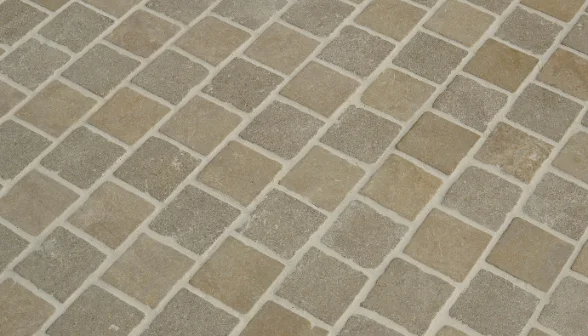
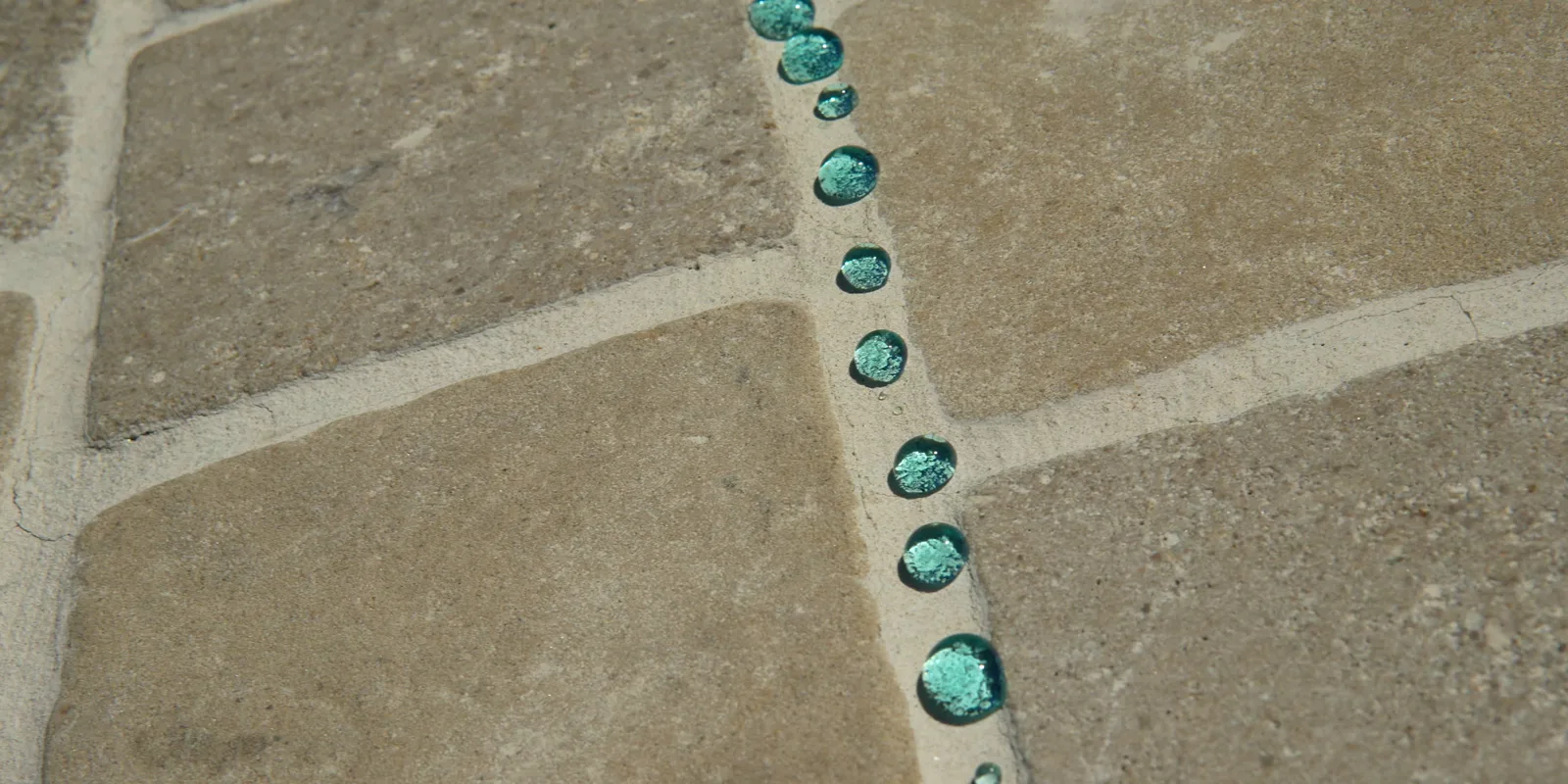
The honest limits
What it doesn't do.
In a category full of permanent and never-again promises, the operators worth trusting are the ones who tell you where a product stops. So here is where ours does.
It doesn't stop acid etching
Travertine is a carbonate stone, so acids like lemon, wine, vinegar and pool acid dissolve the surface itself. That is etching, not a stain, and no penetrating sealer stops it, because the acid doesn't need to soak in to react. Sealing slows absorption and buys wipe-up time, so clean acid spills quickly.
The beading fades before the protection
The visible water beading is the first thing to fade, and it fades faster than the protection underneath. So when the water stops beading, that is a prompt to have us re-test, not proof the seal has failed. Judge it on whether water still soaks in slower and grime still wipes off easier.
It's not a cure for salt-loaded stone
On a heavily salt-laden, reticulated surround, no surface treatment stops salt crystallising inside the stone. What ours avoids is trapping moisture and salt beneath the surface the way a film does. On those surrounds we assess the stone first and tell you straight what it can and can't do.
Travertine, answered
The real questions.
Will sealing darken my travertine or change its colour?
No. MineralProtect is colourless and non-pigmenting. Same colour, same finish, same feel. The only change is that water and oil no longer grip the surface. This is a different category to the enhancer sealers you may have been offered, which are formulated to deepen the stone to a wet look. If keeping the exact travertine you chose is the point, that is exactly what a colourless surface coating is for.
Does sealing stop travertine etching from lemon, wine or pool acid?
No, and any sealer that claims to is overpromising. Travertine is carbonate stone, so acids dissolve the surface itself. That is etching, a physical mark in the stone, not a stain sitting on it, and no penetrating sealer prevents it because the acid reacts at the exposed surface without needing to soak in. What sealing does is slow absorption and buy you time, so the honest advice is to wipe up acidic spills promptly on the areas that see them.
Is it worth sealing a travertine pool surround with all that salt and chlorine?
A pool surround is the harshest exposure travertine gets: chlorine, UV, sunscreen, body oil and salt. It is also where our chemistry earns its keep. MineralProtect is inorganic, so chlorine and UV do not break it down the way they break down an organic film sealer, and it stays breathable and colourless, so unlike a film it doesn't trap moisture and salt beneath the surface. On a heavily salt-laden, reticulated surround we assess the stone first and tell you plainly what a surface treatment can and cannot do. See the limestone guide too, since Perth surrounds are often a mix.
How long does the seal last on travertine?
Two clocks, kept separate on purpose. The easy-clean and beading you can see is the shorter one and fades first, so plan on a top-up over the years to keep it at full strength, and that top-up goes on clean stone with no stripping. Then there is the guarantee: a 10-year registered guarantee on the coating's repellency function, with re-treatment of the affected area as the remedy, sitting on top of your rights under Australian Consumer Law. When we assess your stone we give you the honest refresh interval for your surface and how hard it gets used, not a number picked to win the job.
What physically holds the coating on if travertine is a carbonate stone?
Fair question, and the answer is a strength here. On travertine the coating anchors into the mineral: the water-based sol wicks into the open pores and cures in place into a rigid mineral network keyed into the stone, backed up by the coating cross-linking into a solid within itself. Porous stone like travertine grips it in better, not worse. That is the opposite of dense, polished marble, which has almost no porosity and is the genuine hard case for any sealer. If you want the atom-by-atom version, the technical companion walks through it.
Do I still have to clean it after sealing?
Yes, and any coating that says otherwise is overpromising. Sealing changes how the surface behaves: it repels water, resists oil staining and sheds dirt, so build-up is slower and washes off far more easily. You still give it the occasional clean, it is just much easier to keep looking right, and the marks that used to set in for good now tend to lift.
Keep reading
Related stone, and the science.
Go deeper
The travertine science, in full
The chemistry of the anchor on carbonate stone, the four real-world resistances with their honest bounds, the head-to-head against films and impregnators, and the test standards. For the specifier and the properly curious.
Read the technical versionNatural stone · optimal
Limestone (Tamala & natural)
Perth's own coastal stone, and the closest cousin to travertine. Porous carbonate, our sweet spot, and the one people worry most about flaking and going green.
Read the guideNatural stone · optimal
Sandstone
Porous and siliceous, so the coating grafts covalently into the surface. Great for paving and pool edges, and a magnet for the green that loves damp stone.
Read the guideNatural stone · optimal
Granite
Siliceous and dense, from benchtops to cobblestones. Where the coating bonds into the surface itself and oil resistance really matters in the kitchen.
Read the guideNatural stone · optimal
Quartzite
A hard siliceous stone for benchtops, coping and cladding. Naturally tough, but still porous enough to stain from oil without a surface seal.
Read the guidePool surrounds
Protecting pool surrounds
Travertine is the classic Perth pool paver. The pool-water science, salt, chlorine and mineral systems, and how each material copes.
Read the guideBrowse them all
The Sealing Library
Every common hard surface in WA, by material, honestly graded by how well our coating protects it. Search your exact stone or browse the families.
Find your surfaceGet a quote
Seal the travertine. Keep the travertine.
We'll prepare and seal your travertine with MineralProtect, colourless and breathable, registered under a 10-year guarantee. Confirmed price before you book.