
Sealing porphyry · Perth
Tough stone. Tougher surface.
MineralProtect is the one and only next-generation sol-gel surface coating in Australia, and on a stone as hard and quartz-rich as porphyry it does something no ordinary sealer can. It bonds into the surface itself, so your driveway and paving shed water, oil and tyre marks instead of soaking them up. Colourless, breathable, and built for Perth sun.
The porphyry paradox
Hard as anything. Still picks up marks.
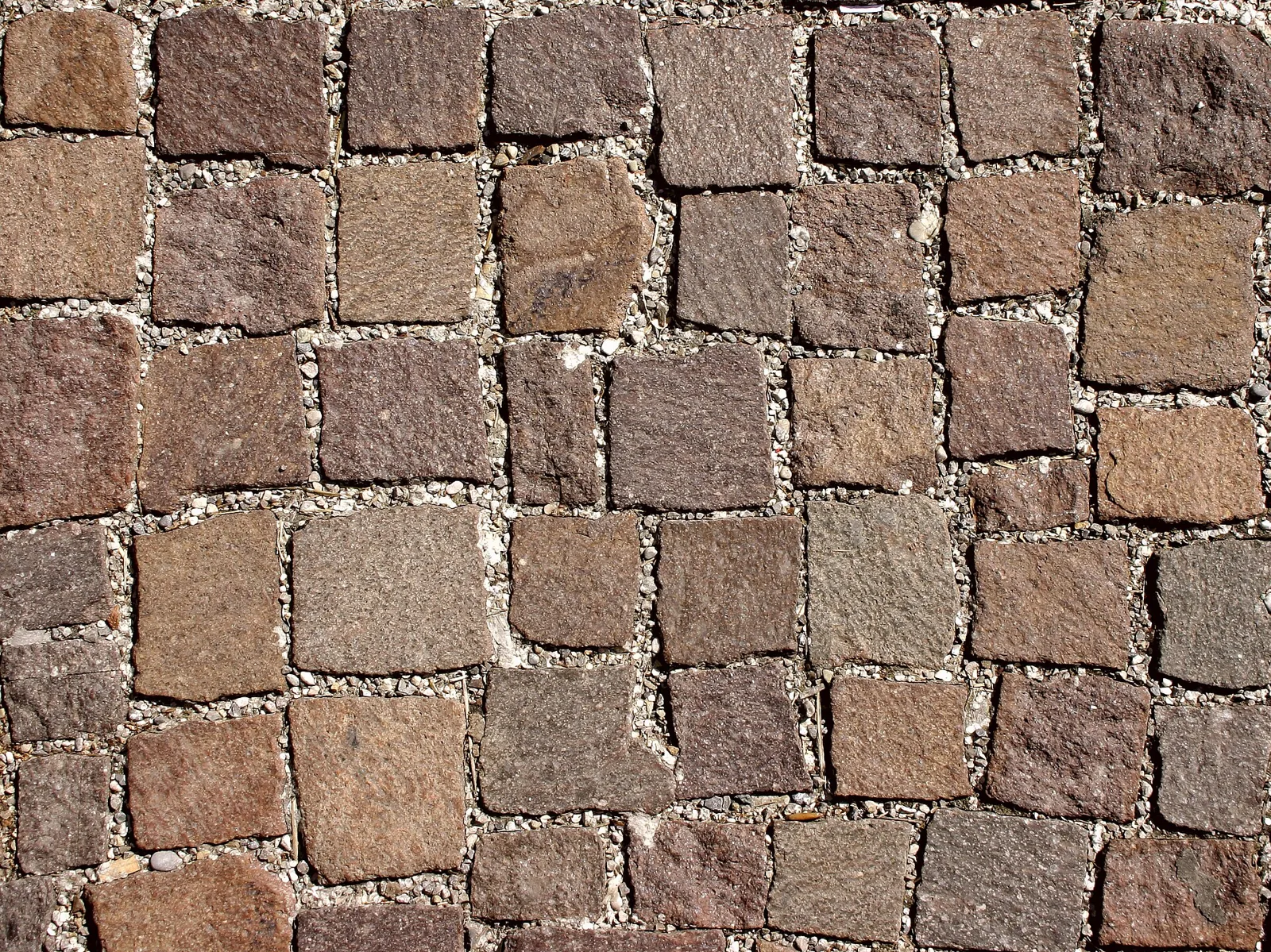
Porphyry is one of the toughest stones you can pave with. It is why it ends up on driveways, courtyards and crazy paving that has to take cars, sun and years of hosing. But hardness is not the same as being protected. The surface is still open enough for oil, rubber and grime to grip, and in Perth conditions that is exactly what happens. The usual seal does not fix it for long, because it is built the wrong way for how a driveway is actually used.
What you see
Tyre marks and oil
Hot tyres scuff dark rubber into the surface, and a leaking gearbox or a dropped oil bottle soaks straight into unsealed porphyry and sets. On a light or mottled stone those marks read from the street, and once they are in, no amount of hosing shifts them.
Where it is shaded
Green in the damp corners
Reticulation over-spray, a shaded southern aspect, a spot under the trees: anywhere porphyry stays damp, moss, lichen and black organic grime take hold in the texture and the jointing, and the stone starts to look tired and grey.
Why it comes back
The seal wears out first
The two common options both let you down here. A film on top chalks, whitens and lifts under hot tyres, and has to be stripped before it can be redone. A sealer in the pores fades from the inside within a year or two under WA sun and pressure washing, with no warning that it has gone.
How our coating works on porphyry
It does not sit on the stone. It bonds into it.
The category had two ways to seal: a film laid on top, or a sealer soaked into the pores. Both wear out in Perth. MineralProtect is a third way, a mineral sol-gel that cures into the surface as an inorganic network. And porphyry is exactly the kind of stone it grips best, because it is rich in quartz and silica, so the coating forms a genuine bond into the surface rather than just filling the gaps.
Bonds into a quartz-rich stone
Porphyry is a siliceous volcanic stone, so its surface carries the reactive chemistry our sol-gel is built to grip. The coating anchors into the mineral and bonds into the surface itself, a nano-thin inorganic layer that is chemically integrated, not a film that can peel or a layer that washes off.
Protects where the driveway is used
The protection sits right at the surface, where tyres, foot traffic, hosing and oil actually meet the stone. A pore sealer buries its repellency millimetres down, out of reach of the wear zone, so the surface you use is left effectively bare while the chemistry hides below.
Colourless, and it still breathes
It changes only the surface energy, so porphyry keeps its natural reds, greys and purples, with no darkening and no gloss. And because it works at the surface instead of plugging the pores, moisture can still escape, so it will not trap damp under the stone and lift it the way a film does.
The edge a pore sealer cannot have
A driveway is not a lab coupon. It gets used.
Your porphyry is scrubbed, pressure-washed, driven on, splashed with cleaner, baked under UV and dripped with oil, and every one of those loads acts at the surface. That is exactly where our coating lives, and exactly where a pore sealer's protection is not. Here is how it holds up.
Cleaning and abrasion
Survives the hosing and the traffic
A driveway wears from cleaning and use, not from rain. Our protection is an inorganic network built at the surface, so it takes the pressure washing, the scrubbing and the tyres that strip an ordinary seal off. Its durability is the density of that network, and it wears slowly by fine abrasion, then renews with a top-up on clean stone. No stripping.
Chemical
Stable to the cleaners you actually use
The inorganic backbone does not break down under routine alkaline driveway cleaners the way an organic resin does, and it stays put through the exact chemistry that hydrolyses a pore sealer's anchor bonds and makes it fail from the inside. More resistant, not immune. We would not leave strong cleaner pooled to dry on it.
UV
Built for the sun that ages sealers
Sun is what breaks most seals down. Ours is inorganic, so it does not yellow or chalk the way an organic film does, and it holds up under the UV that ages other coatings on a west-facing Perth drive. Far more UV-resistant than an organic film, not UV-proof and not permanent, but it does not have the chalking failure built in.
Oil
Car oil lifts instead of setting
Oil and grease sit on the sealed surface and lift in cleaning rather than soaking in, so a car drip or a barbecue splash wipes up instead of marking the stone for good. A standard pore sealer repels water only and leaves the surface open to the exact contaminant that stains a driveway. And we deliver it PFAS-free, without the fluorine chemistry now being regulated out.
What you actually get
One visit. One price. On the record.
We prepare the porphyry properly, seal it with the coating built for the stone, and register it. Same price whether it is a single crazy-paved path or a full driveway, measured and confirmed before you commit.
- Full preparation, then sealed. A proper clean so the coating bonds to a sound, open surface, then MineralProtect applied to spec by certified applicators.
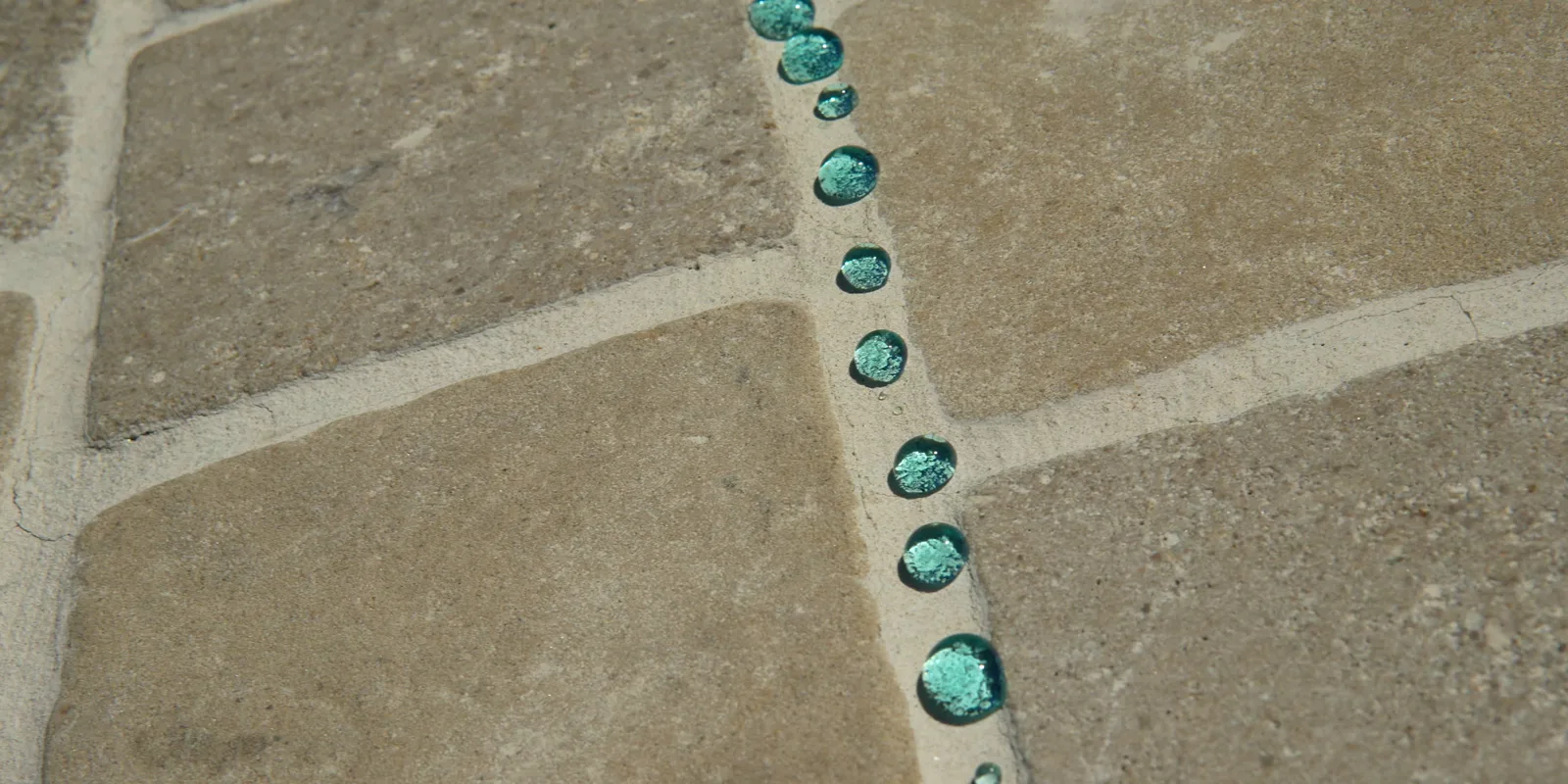
- Colourless and breathable. Porphyry keeps its natural colour and finish. Water and oil stop gripping, and moisture still escapes from the stone.
- Registered, not promised. Every job is registered under a 10-year guarantee on the coating performing as described, on top of your Australian Consumer Law rights.
The honest version
What sealing porphyry will not do.
Porphyry is a strong fit for what we do, and we would rather tell you the limits up front than have you find them later.
It is not stain-proof, and no sealer is
Sealing makes oil and grime far easier to lift, but a spill left to sit, or old oil already deep in an unsealed stone before we get there, may not come fully clean. You still clean the surface occasionally. It is just far easier to keep looking right.
Beading fades before the protection does
The visible water bead is the first thing to go, and it goes faster than the protection underneath. When the bead fades, that is your prompt to have us re-test and top up, not proof the coating has failed. Judge it on whether water still soaks in slower and grime still wipes away.
Permanently damp shade still needs cleaning
In a spot that never dries out, under heavy reticulation or dense shade, organic green will still want to grow. Sealing slows it and makes it far easier to wash off, but it does not stop nature. We will point out any problem corners when we assess the job.
Porphyry, answered
Before you book.
Does porphyry even need sealing if it is so hard?
Porphyry is one of the hardest paving stones you can lay, but hardness is not the same as being sealed. The surface is still open enough for car oil, tyre rubber and organic grime to grip and soak in, especially in the jointing. Sealing does not make the stone harder. It changes the surface energy so water and oil no longer grip, which is what keeps a porphyry driveway looking like the day it was laid.
Will sealing change the colour of my porphyry?
No. MineralProtect is colourless and non-pigmenting. It does not darken the stone or add a wet look or a gloss. Porphyry keeps its natural reds, greys and purples. The only thing that changes is that water and oil stop gripping the surface.
Will it stop tyre marks and oil stains?
It makes them far easier to deal with rather than stopping them outright. Oil and grease sit on the sealed surface and lift in cleaning instead of soaking straight into the stone, so a fresh drip wipes up instead of setting into a permanent mark. No coating is stain-proof, and we will not claim otherwise, but a sealed porphyry drive is dramatically easier to keep clean.
How long does the seal last on a driveway?
Two clocks, kept separate on purpose. The coating performs for a few years depending on traffic and how hard it is cleaned, and when it is due it tops up on clean stone with no stripping. The guarantee is a 10-year registered guarantee on the coating performing as described, sitting on top of your rights under Australian Consumer Law.
Can you seal crazy paving and setts with mortar joints?
Yes. Because the coating is breathable and works at the surface rather than plugging the pores, it seals the porphyry and the jointing without trapping moisture underneath. That matters on reticulated and shaded areas, where a film would seal moisture in and lift.
Is sealed porphyry slippery when wet?
MineralProtect is a thin surface treatment, not a film that lies on top, so it does not add the slick layer a topical coating can. It changes the surface energy of the stone without changing its texture. We do not give a slip rating, and we always assess a driveway or pool surround in person before we recommend it.
More in the Sealing Library
Related stone.
Sandstone
Another siliceous stone our coating grips into well, and a popular paving choice that greens up in the shade. How we seal it.
Read the guideGranite
Quartz-rich, hard and used on both paving and benchtops. Sealed the same way, at the surface, colourless. Read the guide.
Read the guideTravertine
The classic pool and patio paver. A porous stone we anchor into beautifully, without darkening it. How we seal it.
Read the guideLimestone (Tamala / natural)
Perth's own porous stone, prone to salt and flaking on the coast. What sealing can and cannot do for it. Read the guide.
Read the guideGet a quote
Seal the porphyry once.
We will prepare and seal your porphyry driveway or paving with the coating built for the stone, registered under a 10-year guarantee. Confirmed price before you book.