
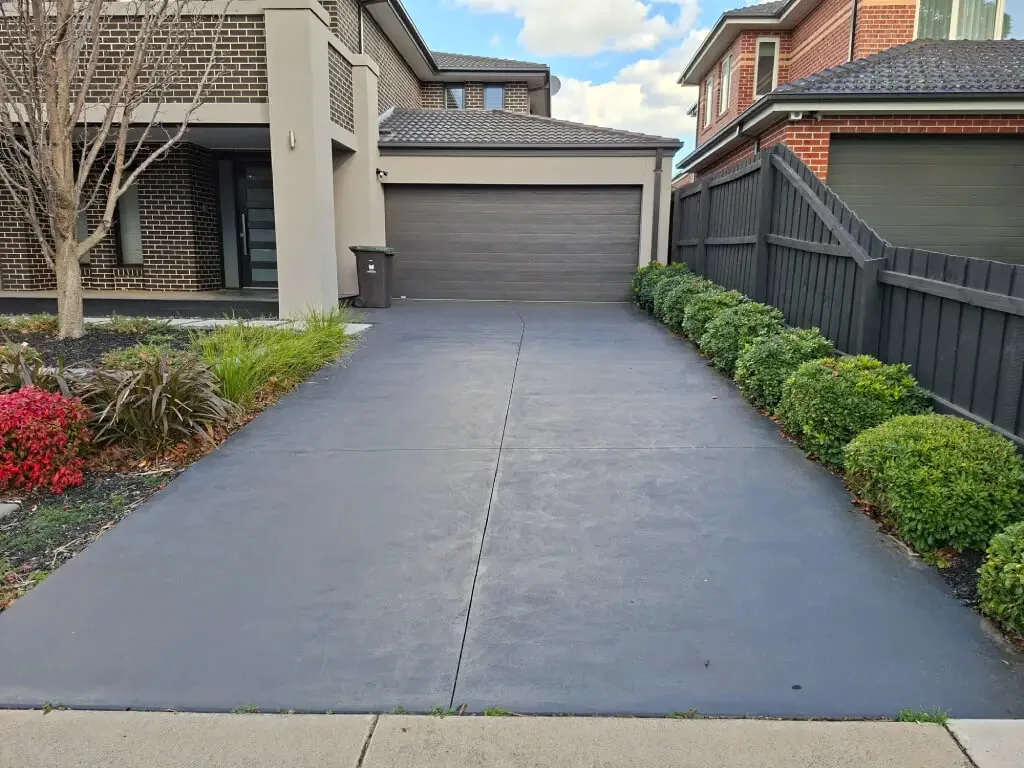
Sealing plain concrete · Perth
Plain concrete, protected properly.
We seal plain and broom-finish concrete driveways, paths and floors with JUMBOGUARD MineralProtect: the one and only next-generation mineral sol-gel surface coating in Australia. Nothing else works quite like it. It bonds into the concrete itself, colourless, and keeps the slab breathing while it protects it. Concrete is exactly where this coating is at its best.
What goes wrong with plain concrete
Plain concrete looks tough. It drinks everything in.
A broom-finish driveway or path reads as the low-maintenance option, and it is the most common surface we seal in Perth. But bare concrete is porous and thirsty, and it stains fast. The seal it usually comes with is only ever meant to get it through curing, not to protect it for years.
Oil and marks soak straight in
A dropped oil, a leaking car, a barbecue spill or red-dirt runoff goes straight into the open surface, where it darkens and sets. On raw concrete those marks are permanent, and scrubbing a driveway rarely lifts them once they have soaked in.
Sun greys it out and dusts it up
Perth sun bakes an unprotected slab flat and grey, and a soft or dusty surface sheds a fine powder that walks into the house. Reticulation and sprinkler overspray leave hard-water rings and mineral marks that build up over the seasons.
White blooms and green in the shade
Salts carried out of the slab crystallise as white efflorescence patches, and paths in damp shade go green with algae. A sealer that traps moisture in makes both worse, because the salt then crystallises under the surface instead of escaping it.
The cure-and-seal was never built to last
Concrete is usually finished with an acrylic cure-and-seal so it cures evenly and looks good on handover. Your concreter does the right thing by you there, but that film is not a long-term protector. In Perth sun and traffic it chalks, whitens and lifts under hot tyres, often inside a year, and once it fails it has to be stripped before anything else goes on.
How we protect it
Not on the concrete. In it.
For decades there were only two ways to seal concrete: lay a film on top, or soak a repellent down into the pores. Both wear out in Perth, so you reseal again and again. MineralProtect is a third way. It is a water-based mineral sol-gel that bonds into the surface as a thin inorganic network, right where the slab is used.
It bonds into the surface itself
Concrete is our sweet spot for a reason. Its surface carries the same mineral chemistry, cement and quartz aggregate, that our coating grafts onto, so the sol-gel forms a genuine bond into the concrete as it cures. There is no film sitting on top to peel and nothing loose to wash off. It is chemically part of the surface.
It protects where the wear is
The protection lives at the surface, exactly where the tyres, foot traffic, oil, cleaning and sun meet the slab. A penetrating sealer builds its protection down in the pore, below the wear zone, where none of that reaches, so the part you actually use is left exposed.
And it still breathes
Because it works at the surface instead of plugging the pores, moisture can still escape. That matters on concrete. A film that seals damp in traps the salts moving out of the slab, and they crystallise under it, blister it and peel it. Ours protects the surface and lets the concrete keep drying, so efflorescence completes naturally instead of lifting the seal.
The real edge
Built for how a driveway is actually used.
A driveway is not a lab sample. It gets driven on, pressure-washed, splashed with cleaner and oil, and baked by the sun all summer. Every one of those acts at the surface, which is exactly where our coating sits and where a pore sealer is not.
Cleaning and wear
Survives the tyres and the pressure washer
The coating is a dense inorganic network right at the surface, so it keeps working through the traffic, pressure washing and scrubbing that wear ordinary sealers off. It fades slowly and predictably, and when it is due it renews with a top-up rather than a strip back to bare concrete.
Chemical
Designed for cleaning, not just water
The inorganic surface stays stable through the routine alkaline cleaners and driveway degreasers real maintenance uses, the same exposure that breaks a pore sealer down from inside the slab. It is more resistant, not immune, so we keep harsh strippers and neat acids off it.
UV and sun
Does not yellow or chalk
Perth sun is what ages most driveway sealers, and a west-facing slab cops it worst. Because our coating is inorganic, it does not yellow or chalk the way an acrylic film does. It is far more UV-resistant than a film, though not UV-proof and not permanent.
Oil and grease
Oil lifts instead of soaking in
Car oil, chain grease and barbecue spills sit on the surface and lift in cleaning instead of setting into the concrete. A standard penetrating sealer repels water only, so it leaves the face open to the exact thing that leaves the marks people hate most on a driveway.
Proven, not promised
One price. One seal.
We prepare the concrete properly, apply the coating to spec, and register it. No guesswork on the day, no upsell on the finish. The chemistry behind JUMBOGUARD is tested at independent laboratories, so what you are getting is proven, not just claimed.
- Colourless and breathable. Plain grey stays plain grey. It only changes how water and oil behave, and it lets the slab keep drying so efflorescence can finish naturally.
- No strip to renew. It degrades slowly with no hidden failure point, and tops up over itself when it is eventually due, rather than being ground back to bare concrete.
- Independently tested. The coating chemistry is tested at recognised independent laboratories and registered under a 10-year guarantee.
The seal, working
The proof is on the surface.
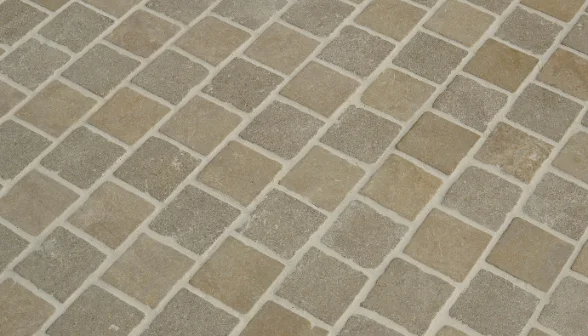
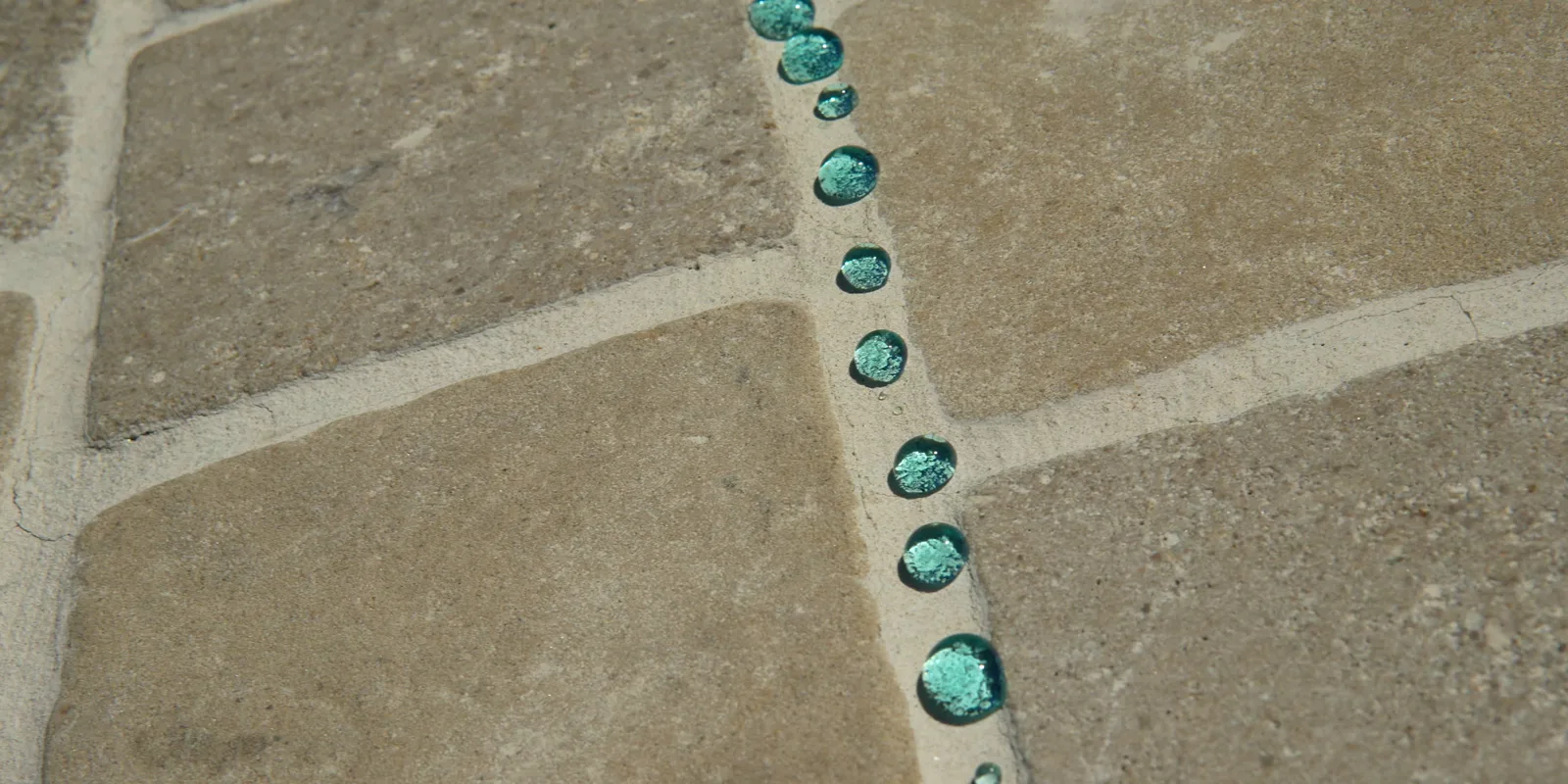
Drag to compare: a MineralProtect-sealed surface, dry and wet. Water beads and rolls off instead of soaking into the face. That is the seal doing its job. The colour does not change, only how the surface behaves.
Where we will tell you straight
What a seal on concrete cannot do.
Plain concrete is the best fit we have for this coating, but a good sealer is honest about its limits. Here is where we will not oversell you.
It will not fill or stop cracks
Concrete moves and cracks along control joints and shrinkage lines. That is structural, and a thin surface coating does not glue a slab back together or bridge a moving crack. What it does is protect a sound surface from staining, oil and the wear that ages it. If your slab is failing structurally, we will say so rather than seal over a problem.
It is not a cure for efflorescence
Those white salt blooms come from moisture moving through the slab, often from below. Sealing does not stop the moisture at its source. What our breathable coating does do is avoid making it worse, the way a film does by trapping the salt under the surface. We clean the existing bloom back before we seal, then seal a sound face.
It is not permanent or maintenance-free
It is a long-lasting treatment, not a forever fix, and it is not stain-proof. The beading you can see fades before the protection does, so a surface that has stopped beading is a prompt to check it, not proof it has failed. It lasts years and tops up without stripping.
Plain concrete, answered
The questions we actually get.
My concreter already sealed the driveway. Do I need to seal it again?
Most likely, yes, but not straight away. On the day, a good concreter lays down a cure-and-seal so the slab cures evenly and looks finished. That is an acrylic film sitting on top, and in Perth sun and traffic it is doing well to last a year or two before it chalks, whitens or lifts under hot tyres. Our coating is a different thing entirely: it bonds into the concrete surface instead of sitting on top, so there is no film to fail. When your original seal is spent, that is the moment to protect it properly.
Will sealing change the colour of my concrete or make it shiny?
No. MineralProtect is colourless and non-pigmenting, so plain grey concrete stays plain grey and keeps its matte, broom-finish look. It will not darken it and it will not add a wet-look gloss. The only thing that changes is that water and oil stop soaking into the face. If you actually want a darker or glossy finish, that is a topical film, a different product with different trade-offs, and we will tell you straight which one you are after.
Does it stop oil stains and tyre marks on a driveway?
It makes a big difference, and we will be honest about what that means. Bare concrete drinks a dropped oil or a leaking car straight into the pores, where it sets as a dark mark that no amount of scrubbing lifts. With the surface sealed, oil and grease sit on top and lift in cleaning instead of soaking in, so a spill you get to reasonably soon wipes up rather than staining for good. On tyre marks: hot tyres lift and pick up a cheap acrylic film. Ours is not a film, so there is nothing for a hot tyre to grab, and rubber scuffs clean off the sealed surface far more easily than off raw concrete. It is not stain-proof, and we never claim it is.
Will sealing get rid of the white patches (efflorescence) on my concrete?
Sealing is not a cure for efflorescence, and anyone who tells you it is has it backwards. Those white blooms are salts carried out of the slab by moisture. Because our coating stays breathable and does not cap the pores, it lets that moisture keep escaping so the process can finish naturally, rather than trapping it the way a film does, which is what turns efflorescence into blistering and peeling. We clean the existing bloom back as part of preparation, then seal a sound surface.
Is sealed concrete slippery when wet?
Our coating is a thin, conformal layer that wets into the surface and cures following the broom-finish texture, rather than laying a film over the top. It changes the surface energy, not the profile your foot keys into, so it is a different thing from the wet-look films people picture when they hear the surface repels water. We do not hold a slip rating and we do not make slip claims. What we will do is a test patch you can wet and feel against the bare concrete before we seal the rest.
How long does it last, and do I have to reseal every year?
The acrylic and penetrating sealers in common use on concrete are typically redone every year or two in WA conditions. Ours is built to last years, and when it is eventually due it tops up over itself with no stripping back. Every seal we do is registered under a 10-year guarantee.
What does it cost to seal a concrete driveway?
Sealing is $16 per square metre all-in, with a $960 minimum, and you get a confirmed price before you book. That covers preparation, the coating and registration under the 10-year guarantee.
Keep reading
Related surfaces.
Plain concrete is the heart of what our coating protects. If you have a decorative or textured finish instead, or a mixed job, these are the closest neighbours.
Not sure where your surface sits? Browse every material in The Sealing Library, honestly graded by how well we protect it, or ask us for a straight assessment.
Get a quote
Seal your concrete once.
We will prepare and seal your concrete with MineralProtect, colourless and breathable, registered under a 10-year guarantee. Confirmed price before you book.