
Sealing soapstone · Perth
The stone we tell you not to seal.
We make the one and only next-generation sol-gel surface coating in Australia, and nothing else works like it. Soapstone is one of the very few surfaces where our honest answer is: you do not need it. Here is exactly why, and what to do instead.
What soapstone actually is
A stone that already looks after itself.
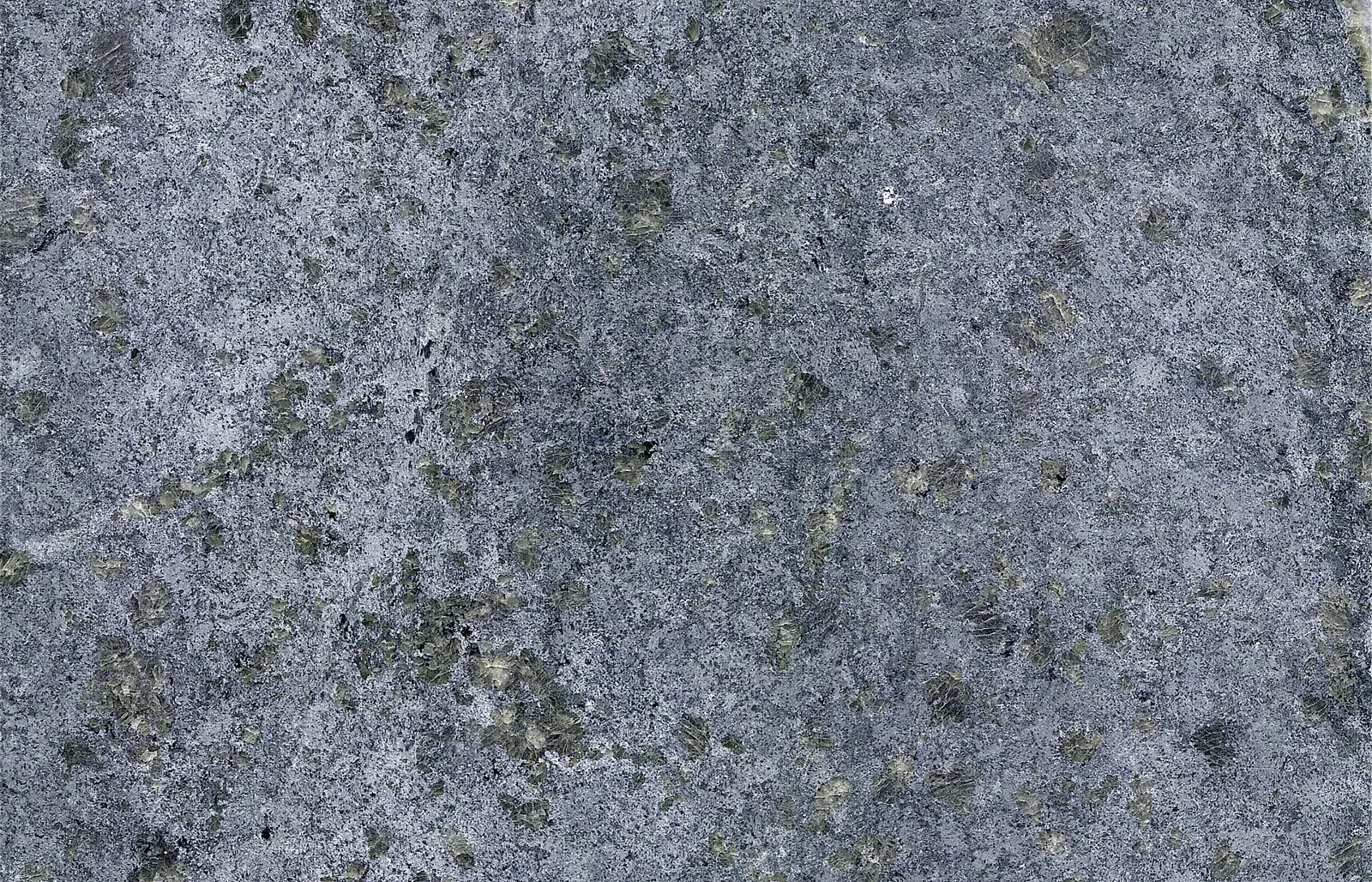
Most people find us because they have been told every stone needs sealing. With soapstone, that advice is wrong, and we would rather tell you than take your money. Soapstone is steatite: it is mostly talc, the softest mineral there is, which is what gives it that smooth, soapy feel. That same make-up is why it behaves nothing like limestone or travertine.
It does not soak up
Non-porous
Soapstone is dense and effectively non-porous. Water, wine and oil sit on top and wipe off rather than soaking in and staining, which is the whole reason porous stone gets sealed in the first place. Soapstone does not have that problem to solve.
Acid runs off it
Naturally acid safe
Lemon, vinegar and wine etch marble and limestone because those stones are carbonate and acid dissolves them. Soapstone is not carbonate, so a splash of acid does not etch it. It is the reason soapstone has been used for science lab benches for a century.
It takes the heat
Heat resistant
You can stand a hot pot straight on soapstone. It shrugs off heat that would mark other benchtops. A sealer would sit between you and a surface that is already tougher than the coating on the things that matter here.
The one real quirk: soapstone darkens where it gets used and handled, so a new benchtop looks patchy for a while before it settles into an even, deep charcoal. That is patina, not damage, and it is a look most owners come to love. It is also the thing people mistake for a sealing problem.
How our coating works
Our coating needs something to grip.
For decades there were only two ways to seal a surface: lay a film on top, or soak a sealer into the pores. Both wear out. Our coating is a third way, a mineral sol-gel that anchors into the surface itself, so it protects right where wear and cleaning happen. But that mechanism has a requirement, and soapstone does not meet it.
It anchors into the surface
On a siliceous, porous stone the coating cures into a dense inorganic network that bonds into the surface, colourless and breathable. That is what makes it hold up for years where ordinary sealers fail.
Soapstone gives it almost nothing to hold
Talc has a soapy, water-shedding surface with very few reactive sites, and the stone is effectively non-porous, so there is no open structure to anchor into. The coating would have little to grip and, more to the point, little to protect.
So we do not pretend otherwise
Naming where a product does not fit is the most useful thing we can tell you. On soapstone, our coating is a solution looking for a problem the stone does not have.
The honest comparison
Everything a sealer defends against, soapstone already handles.
Our biggest wedge on the stone we do seal is real-world resistance: cleaning, chemicals, sun and oil, all met right at the surface. Run soapstone through the same four tests and you can see why it does not need us.
Oil and staining
Nowhere to soak in
On porous stone we shed oil and grease so a benchtop spill lifts in cleaning instead of setting. Soapstone is already non-porous, so oil and food sit on top and wipe away on their own. It reaches the same outcome without a coating.
Chemical and acid
Not the chemistry acid attacks
Etching is acid dissolving carbonate stone, and no sealer stops that: it is why we are careful about limestone and marble. Soapstone is not carbonate, so acids run off it without a mark. The failure our coating is bounded against does not happen here.
Cleaning and abrasion
Marks that sand out
Soapstone is soft, so it does scratch. But no thin coating makes a soft stone hard, and pretending otherwise would be the dishonest sell. The real answer is baked into the stone: a light scuff sands back and re-oils away in minutes.
Sun and UV
A benchtop, not a driveway
Our inorganic coating earns its keep outdoors, where UV chews through ordinary film sealers. Soapstone is almost always an indoor benchtop, out of the sun, so the resistance we are proudest of has nothing to do.
The straight version
What we would tell you on the phone.
The operators who tell you every surface needs their product are the ones to be wary of. Here is the honest bottom line on soapstone, and where we genuinely are the right call.
- Do not pay to seal it. Soapstone protects itself. A coating would sit on a surface that does not stain, does not etch and does not mind heat.
- Oil it if you want the deep colour. A wipe of food-safe mineral oil or wax evens out the patina. That is a two-minute owner job, not a sealing service, and we would rather you keep the money.
- Bring us the stone that does need it. Granite and quartzite benchtops are our sweet spot, and travertine, limestone and sandstone around the home anchor well too. That is where sealing earns its place.
Soapstone questions
The things people actually ask us.
Does soapstone need sealing?
No. Soapstone is effectively non-porous and is naturally resistant to stains, acids and heat, so there is very little for a sealer to protect. It is one of the few stones that genuinely looks after itself.
How do you care for a soapstone benchtop then?
If you want the deep, even charcoal colour, wipe it over with food-safe mineral oil or a wax now and then. That is cosmetic, not protective, and it is something you do yourself in a couple of minutes. Left alone, soapstone simply develops its own patina over time.
Will a coating stop soapstone from scratching?
No. Soapstone is soft, and no thin coating changes the hardness of the stone underneath. The upside is that light scratches and marks sand out and re-oil away, which is one of the reasons soapstone is so forgiving to live with.
Why will your coating not bond to soapstone?
Our coating anchors into a mineral surface. Soapstone is talc, with a soapy, water-shedding surface and almost no open pore structure for it to grip. So there is little to anchor into and, just as importantly, little that needs the protection.
Is oiling soapstone the same as sealing it?
No. Oiling darkens and evens the colour of the stone. It does not add a protective coating and it is not a service we sell. Sealing is a protective job for porous surfaces that actually absorb and stain, which soapstone does not.
Can you seal my other stone benchtop instead?
Yes. Granite and quartzite benchtops are siliceous and porous enough for our coating to anchor into and genuinely benefit from, and they are our sweet spot for stone. Send us a photo and we will tell you straight which of your surfaces are worth sealing and which, like soapstone, are not.
Keep reading
Stone we do seal.
If you are pricing up a benchtop or a bit of stonework, these are the surfaces where our coating earns its place. Start with granite if it is a kitchen.
Get a quote
Got a stone that actually needs it?
We will prepare and seal it with the right coating for the material, registered under a 10-year guarantee, at $16/m² all-in. And if it does not need sealing, we will tell you that too.