
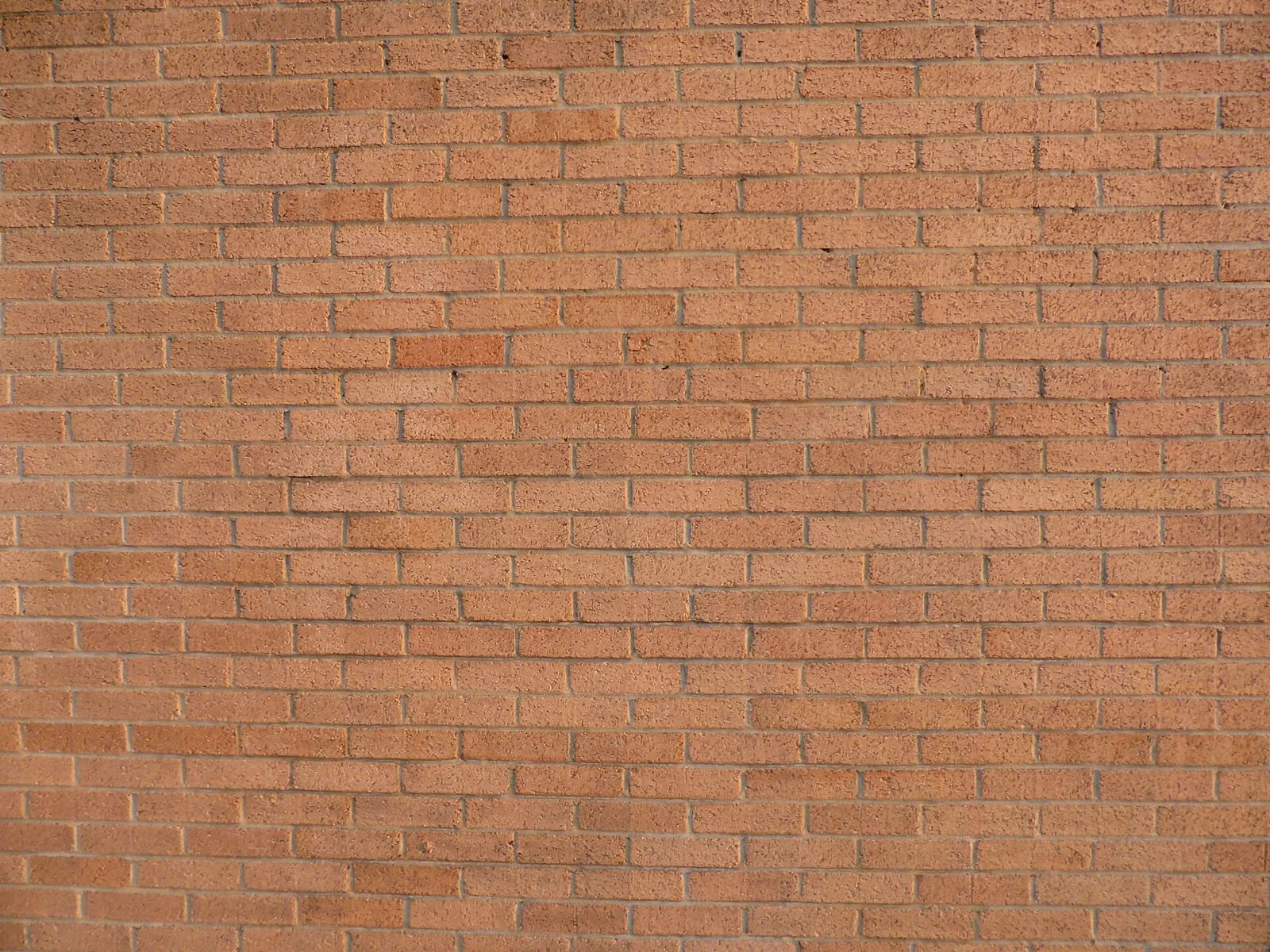
Sealing clay brick & face brick · Perth
Seal your brick without trapping it.
Face brick is thirsty, and Perth gives it plenty to drink: coastal salt, bore-water reticulation, and shaded walls that go green. Most brick sealers are a paint-on film that traps moisture behind the face and eventually flakes the brick off with it. We seal it a different way. MineralProtect is the one and only next-generation sol-gel surface coating in Australia, and it bonds into the brick, stays breathable, and changes nothing you can see.
What actually goes wrong
Brick doesn't fail from the front. It fails from behind.
Clay brick is a fired, porous mineral. It wicks water in and lets it out again, which is exactly how a brick wall is meant to work. The trouble starts when moisture keeps arriving faster than it can leave, or when someone paints a sealer over the top and stops it leaving at all. Here is what we see on Perth walls.
The white bloom
Efflorescence
That chalky white haze is salt, carried out of the brick and mortar by moisture and left on the surface as it dries. It is a moisture story, not a dirty-brick story, and a paint-on sealer makes it worse: trap the moisture and the salt crystallises just under the face instead, where it pushes the brick apart from inside.
The shaded side
Going green and black
South and east walls that stay damp feed moss, algae and lichen. Once brick holds a film of water and dirt, that growth has a lasting foothold, and no amount of scrubbing keeps it off for long when the surface keeps rewetting and holding grime.
Down near the ground
Salt attack and spalling
Near garden beds on reticulation and out in the coastal wind, salt loads into the lower courses. As it crystallises and rehydrates in the pores it fractures the brick from within, popping the face off in flakes. Seal that wall with a film and you accelerate it.
The catch with the usual fix: the classic brick sealer is a film, and the building-conservation trade has warned for decades against filming masonry above ground. A film blocks the wall from drying, so the damage moves behind the face where you can't see it until the brick starts flaking. The right answer is not more waterproofing. It is a surface that protects and still breathes.
How our coating works on brick
It bonds into the brick, not over it.
Fired clay is an aluminosilicate: a silica-rich mineral that carries reactive silanol groups at its surface, the same chemistry glass and sandstone are built on. That is why brick is a genuinely strong surface for us. MineralProtect is a water-based mineral sol-gel that wicks into the open pore and cures into a dense Si-O-Si network right at the face, so it holds where a film would peel.
Anchors into the surface
The sol wicks into the brick's open pores and condenses in place, keying into the pore network and bonding to the mineral's own silanols. It is chemically anchored into the surface, not a layer stuck on top that can lift. And because brick is porous, the anchoring is better, not worse.
Protects where the weather hits
The network sits in the top hundred nanometres of the face, exactly where rain, salt, UV and cleaning act. A paint-on film sits on top and a pore impregnator hides its protection deep in the brick, out of reach of the loads that actually wear a wall.
And it still breathes
Because it changes the surface energy of the brick instead of capping the pores, water vapour still escapes. This is the whole game on masonry. The wall keeps drying from behind, so salt blooms off the front rather than crystallising and spalling underneath a trapped skin.
The edge a pore sealer can't have
A wall gets weathered, washed and grown on.
Brick doesn't get walked on, but it takes a beating all the same: driving rain, coastal salt, relentless UV, a pressure wash every year or two, and a slow creep of moss and grime. Every one of those loads acts at the face. That is exactly where our protection lives, and exactly where a pore impregnator's does not.
Cleaning & weathering
Survives the pressure wash
The dense mineral network is engineered into the face, so it keeps working through the pressure washing and driving rain that scour a wall clean. It fades slowly and predictably, and renews with a top-up rather than a strip. A pore sealer strands its protection below the surface, so the face you actually clean is left bare.
UV
Won't yellow or chalk in the sun
Sun is what breaks most brick coatings down. Our layer is inorganic, so it doesn't have the organic chain that makes a film yellow, chalk and go patchy on a sun-facing wall. It is far more UV-resistant than an organic film. Not UV-proof, and not permanent, but built for the wall that copes the full afternoon sun.
Chemical & growth
Designed for cleaning, not just rain
The inorganic backbone stays stable through the alkaline and mould-killing cleaners a wall gets washed with, where an organic resin is slowly consumed by them. It is more resistant, not immune. And because the face stays repellent and colourless, moss and algae get far less of a damp, dirty foothold and wash off with less effort.
Oil & grime
Marks sit up, not in
On a low wall by the drive or the barbecue, oil, exhaust soot and general road grime sit on the surface and lift in cleaning instead of soaking into thirsty brick and staining it for good. A standard water-repellent pore sealer shrugs off water only and leaves the door open to the oily marks that actually stay.
Proven, not promised
Built to survive the weather.
The wedge is simple. Our protection sits at the face, where the weather and the cleaning happen, as a dense inorganic network that doesn't oxidise the way an organic film does. That is why it keeps working for years instead of months, and renews without stripping.
- Bonds into the brick, doesn't sit on top. Fired clay is a silica-rich mineral, so the sol-gel anchors into the surface rather than forming a film that can peel.
- Stays breathable. The pores stay open, so the wall keeps drying from behind. That is the single most important property on masonry, and the one a film gets wrong.
- Degrades slowly, not suddenly. No cliff-edge failure and no strip to renew. Tested at independent houses including TÜV Rheinland, SGS, Intertek and REACH.
The repellency, dry to wet
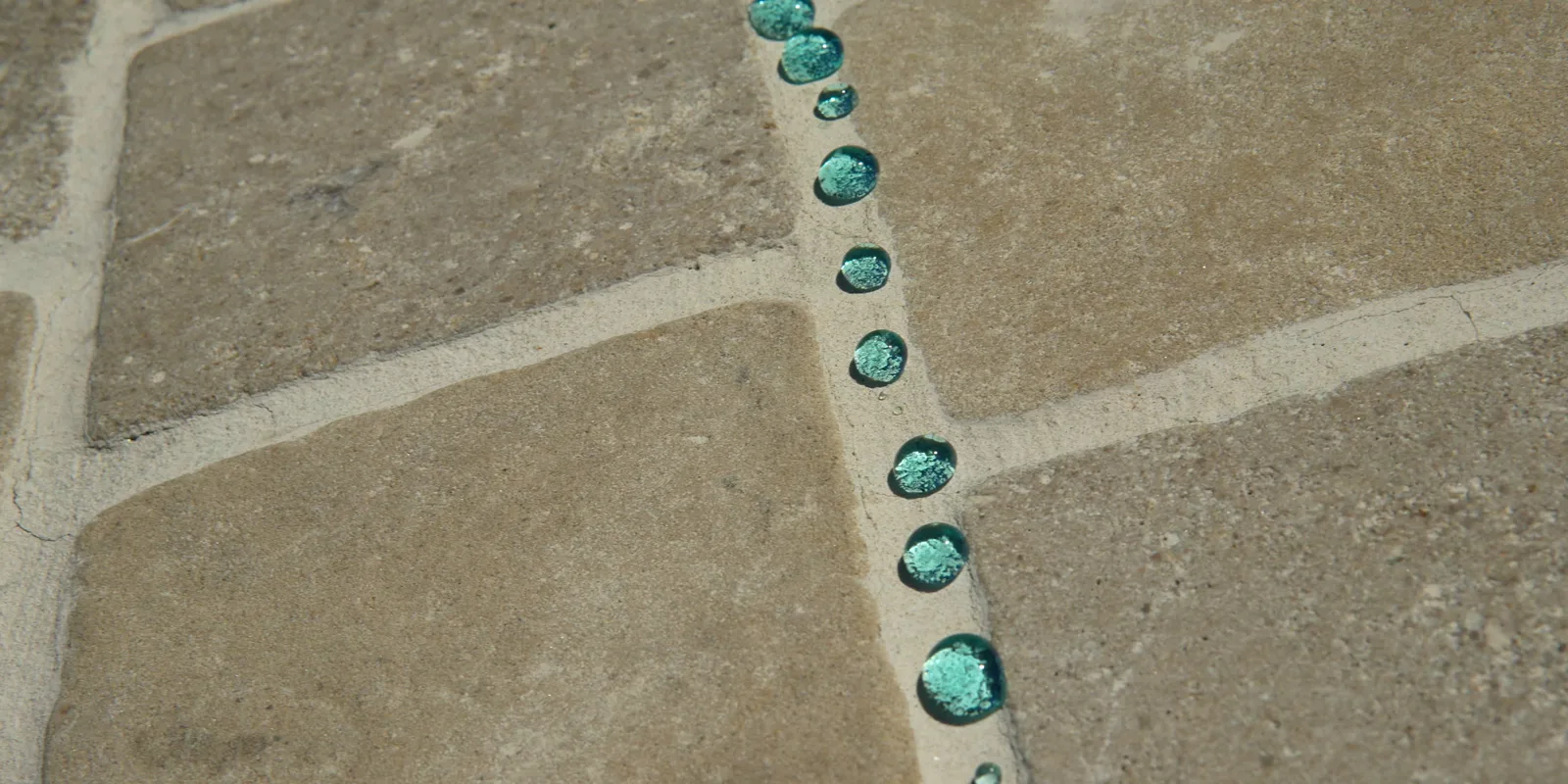
Same brick. Water can't grip.
Drag the handle. The seal is colourless, so dry it looks identical to bare mineral. Wet it and the difference shows: water pulls into tight beads and runs off instead of soaking in and carrying dirt and salt with it.
Where we'll tell you straight
What sealing brick won't do.
A sealer works at the surface. It cannot fix water arriving from behind the wall. If a wall is efflorescing heavily or spalling low down, the real driver is usually a moisture source: leaking reticulation, a bridged damp course, garden beds banked against the brick, or a genuine coastal salt load. Sealing the face does not turn off that tap, and we will not pretend it does. What a breathable coating does is protect the surface without trapping that moisture and making it worse, which is exactly what a film gets wrong.
Efflorescence itself is salt from inside the wall, so no coating stops it at the source. And this is masonry protection, not damp-proofing or waterproofing. On a wall with a real moisture fault we will say so, point you at the fix, and seal it once the wall is sound, rather than sell you a coating that hides the problem.
Common questions
Sealing brick, answered.
Should you seal face brick at all?
You can, and on exposed or salt-affected walls it is worth doing. The catch is what you seal it with. The mistake most people make is a paint-on film that traps moisture behind the brick face, which is what the building-conservation trade has warned against on masonry for years. A breathable mineral coating is the other way: it protects the surface while letting the wall keep drying out, so you get the protection without the trapped-moisture damage.
Will sealing brick change the colour or leave a sheen?
No. MineralProtect is colourless and non-pigmenting. Same colour, same finish, same texture. It is not a wet-look or enhancer sealer, so it won't leave the plasticky, darkened sheen that a paint-on brick sealer gives. The only change is that water and oil stop gripping the surface.
Does sealing stop efflorescence, the white salt bloom?
No sealer stops efflorescence at the source, because it is salt carried out of the wall by moisture from behind. Anyone who tells you their coating stops it is overpromising. The difference that matters is direction of travel: a breathable coating lets that moisture keep escaping, so salt blooms off the front where it wipes away. A film traps the moisture and crystallises the salt beneath the face, which is what spalls brick. Ours breathes.
Why does my brick keep going green, and does sealing help?
Shaded, damp brick on the south and east sides feeds moss, algae and lichen, and once the surface holds a film of water and dirt they keep coming back. A colourless repellent surface gives that growth less of a wet, dirty foothold and lets it wash off with far less effort. It makes the cleaning easier and less frequent, but it doesn't remove the need to clean, and it isn't a treatment that kills growth.
Can you seal a rendered or painted brick wall?
Cement render is a related surface and we seal it too, so if your brick is bagged or rendered we can help. Painted brick is different: our coating bonds into a mineral surface, not over a layer of paint, so a painted wall needs a look first. We assess it at the quote and tell you straight what will and won't work.
What does it cost to seal brick in Perth?
Sealing is $16 per square metre, all in, with a $960 minimum job. Preparation and cleaning are included, not billed separately, and every seal is registered under a 10-year guarantee. We measure and confirm the price before you book, so there are no surprises.
Keep reading
Related surfaces & the deep science.
Go deeper on the science
Brick sealing: the technical companion
The specifier's version: the sol-gel chemistry on aluminosilicate brick, the head-to-head against film and pore sealers, the honest bounds on efflorescence and salt, and the test standards. Read the technical guide
Same family
Clay & brick pavers
The same fired clay, laid underfoot. How we seal brick paving for driveways, paths and courtyards.
Same family
Cement masonry blocks (Besser)
Concrete-class masonry for walls, retaining and fencing. Sealed the same breathable way.
Same family
Terracotta & quarry tile
Unglazed fired clay underfoot: porous, breathable, and easy to stain. What sealing it does and where the honest limit sits.
Same family
Roof tiles (concrete & clay)
Porous roof tiles that go mossy and soak up water. How a breathable surface coating fits the roof.
Same family
Glazed & engineered brick
Factory-glazed and engineered brick, a tighter, less porous face than common brick. What sealing changes and where it helps.
Browse everything
The Sealing Library
Every common WA surface, by material, graded by how well our coating protects it. Find yours.
Get a quote
Seal the brick. Keep it breathing.
We'll assess the wall, prepare it properly, and seal it with the right MineralProtect coating for the brick, registered under a 10-year guarantee. Confirmed price before you book.